
CurlyNikki Says: I love matcha. So much. Wrote a whole article about it. I stopped drinking it for a while and returned to my 2-a-day, sometimes 3-a-day espresso habit and was met with silent reflux and upper back pain. After a couple of trips to the massage therapist, I realized it was NOT musculoskeletal, and indeed gastric, and stopped the espresso (grievously), and the pain went away immediately. Now it’s matcha for me. And it does legit give me the happies, and energy, and makes me feel like I can do stuff.
I mix my Naoki spring blend, with Malk Almond Milk (vanilla, no sugar added), and maple syrup (a lot on hard days, a teaspoon or two on easy days). And life is GoOD. I also feel like I’m doing something good for myself with the chlorophyll and all. And I try to take it away from meals cause iron deficiency. I love you! Oh, and I don’t use a whisk and bowl, I use a mixer, and I whip it cold, ’cause time. I used to drink them hot, not cold or room temp!
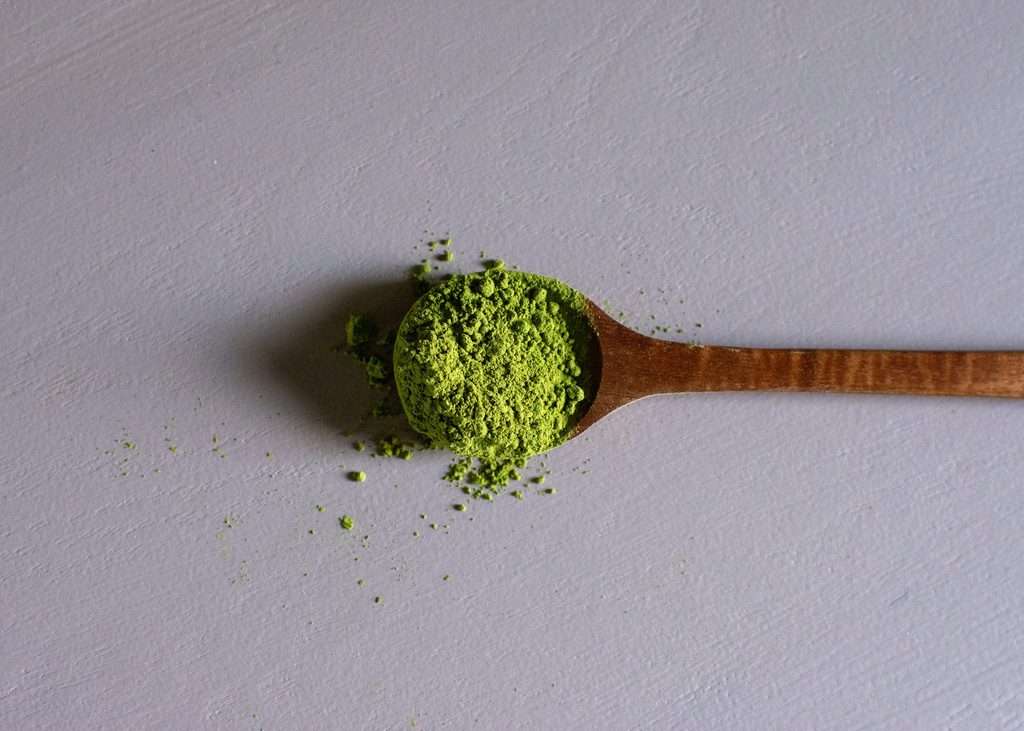
7 Best Matcha Powders for Lattes, Tea and Baking in 2026
by Team CurlyNikki
Matcha has reached the stage of popularity where a beautiful green tin can cost more than dinner and still tell you almost nothing useful. “Ceremonial.” “Premium.” “Stone-ground.” Perhaps a misty mountain on the label. Meanwhile, the powder inside might make a lovely latte, a bitter cup of tea or an excellent reason to return to coffee.
The best matcha depends on what you plan to do with it. A refined, umami-rich powder can be worth the price when whisked with water. Milk, vanilla and ice need a matcha with enough body to remain recognizable. Baking requires color, strength and value more than an expensive first-harvest tin whose subtleties will disappear beneath sugar and butter.
For this guide, we compared origin, harvest and cultivar information, intended preparation, organic certification, package size, price, availability and freshness practices! Nikki’s favorite continues to be Naoki and she plans to try Ippodo- she has a tin in the cart she hasn’t pulled the trigger on yet!
The best matcha powders at a glance
Naoki Superior Blend is our best overall choice because it offers an approachable Uji matcha at a price that leaves room to practice your whisking. Golde Pure Matcha is the Black-owned standout and an especially natural fit for creamy lattes.
Ippodo Ummon is the splurge for drinking with water, where its richer character is not covered by milk. Encha is the organic value, while Matchaful offers transparent single-farm sourcing. Jade Leaf is easy to replace when the tin runs low. Navitas gives baking and smoothie drinkers far more powder for the money.
| Award | Product | Best for | Key features | Size | Approximate price | Current source |
|---|---|---|---|---|---|---|
| Best overall | Naoki Superior Blend Matcha | Beginners, tea and lattes | Japanese matcha from Uji, balanced profile, low bitterness | 40 g | $25 | Naoki Matcha |
| Best Black-owned | Golde Pure Matcha | Everyday lattes | 100 percent shade-grown Japanese matcha from Uji; organic | 40 g tin or 100 g pouch | About $28 for 40 g | Golde |
| Best splurge | Ippodo Tea Ummon | Whisking with water | Rich Uji matcha from a Kyoto tea company founded in 1717 | 20 g box or 40 g can | About $40 to $82 | Ippodo Tea |
| Best organic value | Encha Ceremonial Grade Matcha | Organic daily matcha | USDA Organic, first-harvest tea from Uji | 30 g | $20 | Encha |
| Best single-origin | Matchaful Hikari Single Origin Matcha | Traceable sourcing and lattes | First-harvest matcha from one Shizuoka farm; pesticide-free cultivation claim | 30 g | $42 | Matchaful |
| Best widely available | Jade Leaf Organic Teahouse Edition | Traditional tea and easy restocking | USDA Organic, first-harvest blend from Uji and Kagoshima | 30 g | $27 | Jade Leaf |
| Best for baking | Navitas Organics Matcha Powder | Baking, smoothies and budget lattes | Premium culinary grade, USDA Organic, third-party testing disclosed | 3 oz, about 85 g | $22 | Navitas Organics |
1. Naoki Superior Blend Matcha
Best overall
Naoki’s Superior Blend comes from Uji, Kyoto, and is designed as an approachable first step into better matcha. The brand describes low bitterness, moderate umami and a smooth mouthfeel. Current independent tastings likewise place it among the easiest powders for beginners to enjoy.
Its versatility is the reason it wins. It is refined enough to whisk with water but not so precious that adding oat milk feels like disrespecting a family heirloom. The 40-gram size also gives a new matcha drinker enough servings to improve technique without committing to a bulk pouch.
Who it is for: Beginners, daily drinkers and households alternating between straight tea and lattes.
The tradeoff: Experienced drinkers seeking pronounced marine umami or a single-cultivar expression may find it too gentle.
2. Golde Pure Matcha
Best Black-owned matcha
Golde’s Pure Matcha is sourced from Uji and made from 100 percent shade-grown Japanese green tea. The brand offers both a 40-gram tin and a larger 100-gram pouch, which is welcome news for anyone whose latte habit has moved beyond occasional.
The profile is mild enough to pair with dairy or plant milk without turning sharply bitter. That softness also makes it useful in chia pudding, smoothies and breakfast bowls. It may not satisfy someone seeking the deepest savory cup, but it understands the latte assignment.
Who it is for: Matcha lattes, Black-owned shopping and attractive counter-worthy packaging.
The tradeoff: Its gentler flavor can become too quiet beneath heavily sweetened or strongly flavored milk.
3. Ippodo Tea Ummon
Best splurge
Ippodo has sold Japanese tea from Kyoto since 1717, and Ummon sits near the rich end of its matcha range. The company describes a full-bodied umami character and recommends it for both usucha, thin tea, and koicha, the concentrated preparation used in formal tea settings.
This is the matcha to drink with water, not hide beneath three pumps of vanilla. Its small package and high price make freshness a realistic goal for a daily drinker, but an expensive gamble for someone who makes matcha twice a month.
Who it is for: Experienced drinkers, traditional preparation and special gifts.
The tradeoff: Current prices and purchase limits can be substantial, and availability shifts with demand.
4. Encha Ceremonial Grade Matcha
Best organic value
Encha’s first-harvest matcha is USDA Organic and sourced from Uji. At approximately $20 for 30 grams, it sits in the accessible end of the drinking-matcha market without dropping into a giant anonymous pouch.
The brand positions this version for whisking with water, although the price makes lattes reasonable too. Organic certification addresses how the tea is grown and handled under the applicable standard. It does not independently certify flavor, freshness or freedom from every possible contaminant.
Who it is for: Organic shoppers, beginners and everyday cups on a realistic budget.
The tradeoff: A lighter matcha can lose presence in a large, sweet latte.
5. Matchaful Hikari Single Origin Matcha
Best single-origin matcha
Matchaful traces Hikari to a single farm in Shizuoka and says the first-harvest tea is grown without pesticides, shaded using solar panels and ground in response to demand. That transparency gives the shopper more to evaluate than a generic “product of Japan” label.
The brand describes walnut, lemon and butter notes, while independent tasting coverage has found it light, nutty and especially well suited to lattes. Single origin is not automatically superior to a skillful blend, but it can make the relationship between place and flavor easier to explore.
Who it is for: Sustainability-minded shoppers, traceable sourcing and nuanced lattes.
The tradeoff: At $42 for 30 grams, it is expensive for a daily milk-based drink.
6. Jade Leaf Organic Teahouse Edition
Best widely available matcha
Jade Leaf’s Teahouse Edition is a USDA Organic first-harvest blend sourced from Uji and Kagoshima. The brand discloses several cultivars and positions the powder for traditional hot or iced tea.
The practical advantage is distribution. Specialty matcha is often wonderful until the tin empties and the next release is sold out. Jade Leaf is carried by major retailers and offered in multiple package sizes, making repeat purchases simpler.
Who it is for: Traditional preparation, organic shoppers and reliable restocking.
The tradeoff: A regional blend will not provide the same narrowly defined terroir story as a single-farm matcha.
7. Navitas Organics Matcha Powder
Best for baking
Navitas sells a three-ounce pouch of USDA Organic culinary matcha from Shizuoka for roughly the price of a 30-gram drinking tin. The company discloses third-party testing for heavy metals and microbials and lists approximately 32 milligrams of caffeine per one-gram serving.
This is where culinary matcha earns its respect. Its stronger, earthier profile can survive flour, sugar, fruit and milk, while the larger bag makes a batch of cookies financially sensible. You can drink it, but someone who prefers delicate straight matcha will notice the difference.
Who it is for: Baking, smoothies, large lattes and value-conscious households.
The tradeoff: It is more assertive and potentially more bitter than matcha selected primarily for whisking with water.
What does “ceremonial grade” actually mean?
There is no universal government standard that certifies a matcha as ceremonial grade. Brands generally use the term for powders intended to be whisked and drunk with water, often made from tender early-harvest leaves with a smoother flavor.
Treat the phrase as a clue, not a guarantee. Look for Japanese origin, harvest details, cultivar or farm transparency, recent packaging and instructions that match how you plan to drink it.
What is the best matcha for lattes?
A latte needs enough flavor to remain present after milk and ice are added. Golde and Naoki are balanced choices for everyday lattes, while Matchaful Hikari brings a lighter single-origin profile. Navitas is the economical option for large or flavored drinks.
Do not assume the most expensive powder makes the best latte. Milk can soften bitterness, but it can also cover the subtle aroma that made the matcha costly.
How can you tell whether matcha is fresh?
Fresh matcha is generally vivid green rather than khaki or brown, with a clean vegetal aroma. Color varies by cultivar and processing, so neon brightness alone is not proof of quality.
Buy from a seller that discloses origin and turns over inventory. A small sealed container is usually smarter than a bargain bulk bag unless you bake or drink matcha frequently.
Does matcha have caffeine?
Yes. The exact amount varies by tea and serving size. Matcha is not a caffeine-free wellness substitute for coffee simply because the energy is often described as calmer.
If caffeine affects your sleep, anxiety, heart rate, pregnancy plan or medication regimen, portion and timing still matter. Green tea can also interact with some medicines, so ask a clinician or pharmacist when appropriate.
Should matcha be refrigerated?
Follow the producer’s directions. In general, keep unopened matcha sealed away from heat, light, moisture and strong odors. After opening, close it tightly and use it promptly.
Refrigeration can slow deterioration, but condensation is the enemy. If a tin is refrigerated, allow the sealed container to approach room temperature before opening it so humid air does not condense on the cold powder.
How do you make matcha without clumps?
Sift one to two grams into a bowl, add a small amount of water below boiling and whisk briskly in a loose W or M motion. Water that is too hot can emphasize bitterness. A bamboo whisk creates fine foam, but a small handheld frother or tightly sealed jar can make an entirely respectable weekday cup.