

via the GoodHairDiaries
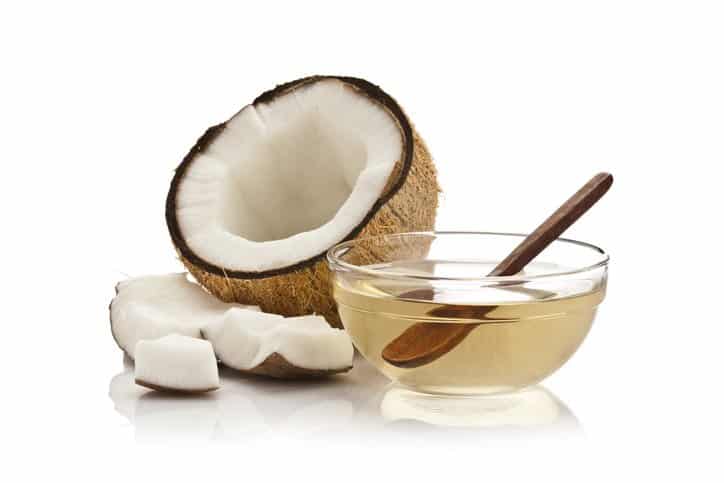 Which products are best for a pre-poo?
conditioning with a moisturizing treatment. In general, oils and humectants such as honey and conditioners are all great options for
pre-poos. Choose according to what your hair needs and craves in order to get the most out of your pre-poo.
- Papaya Pre-Poo Treatment: a mixture of avocado, papaya, and yogurt
- Coconut Milk Pre-Poo: a mixture of honey, coconut milk, and 3 of your favorite oils
- Peppermint Oil Pre-Poo: a simple mixture of peppermint oil and coconut oil
- Gather your ingredients for your pre-poo
- Section your dry hair into 4 or more sections
- De-tangle each section with a wide tooth comb
- Spread your choice of pre-poo over each section
- Cover hair with a conditioning cap and sit under a hooded dryer if you choose
Doing a pre-poo will give your hair that fighting chance it needs to withstand further manipulation on wash day.
****************************************
2026 Update: Does Pre-Pooing Actually Help Natural Hair?
Pre-pooing has been part of natural hair culture for years, and the basic idea still makes sense: give your hair a little protection before shampooing, when detangling, swelling, rinsing and manipulation can make wash day rougher than it needs to be.
One small correction to the original explanation above: a pre-poo does not add moisture to the follicles. Your follicles are beneath the skin. A pre-poo works on the hair fiber itself, helping reduce friction, improve slip and, depending on what you use, limit how stripped or rough your hair feels after cleansing.
That distinction matters, but the old-school wisdom behind the technique still holds up beautifully.
What Is a Pre-Poo?
A pre-poo, short for pre-shampoo treatment, is something you apply to your hair before cleansing.
It can be as simple as coconut oil smoothed through dry hair, a slippery conditioner worked into tangled sections, or a dedicated pre-shampoo treatment designed to help soften and detangle.
The goal is not to make shampoo unnecessary. It is to make the trip to clean hair a little less violent.
If your wash day regularly starts with knots, snapping, rough ends and twenty minutes of negotiating with one section in the back, pre-pooing may be worth the extra step.
What Does a Pre-Poo Do for Natural Hair?
A good pre-poo can help in a few different ways.
It can make detangling easier
This is probably the biggest practical benefit for curly and coily hair.
A conditioner or oil with good slip can help strands move past one another with less pulling, especially when your hair has been in a twist-out, braid-out, puff or protective style for several days.
Less wrestling means less unnecessary breakage.
It can reduce that stripped feeling after shampooing
Some shampoos cleanse more aggressively than others. Applying an oil or conditioning product beforehand may help the lengths and ends feel less rough after washing.
That does not mean shampoo is bad. A clean scalp matters.
Think of pre-pooing as giving your oldest, driest hair a little insurance before the cleansing starts.
It can protect fragile ends
Your ends have been around longer than the hair near your scalp. They have survived more detangling, styling, weather, friction and wash days.
If your ends tend to feel brittle or tangle easily, concentrating your pre-poo there can make a lot more sense than coating your scalp in oil and calling it a day.
Is Pre-Poo Good for 4C Hair?
It can be especially useful for 4C hair when wash day involves a lot of detangling.
Tightly coiled strands naturally wrap around themselves and neighboring hairs, so anything that improves slip before shampooing can make the process much more comfortable.
But 4C hair does not automatically require a pre-poo.
If your wash day is already easy, your shampoo leaves your hair feeling great and you are not experiencing excessive tangling or breakage, you do not need to add another step just because the internet told you your regimen is incomplete.
Natural hair does not need more chores for the sake of more chores.
Should You Pre-Poo on Dry or Wet Hair?
Both can work.
Applying a pre-poo to dry hair is still one of my favorite approaches because it allows oil or conditioner to sit directly on the hair before water enters the equation. It is also convenient when you want to pre-poo overnight or 15 to 30 minutes before wash day.
Applying it to damp hair may work better if your goal is detangling and you need a little water to help your product spread.
There is no universal winner here.
Use whichever method gives you the easiest detangling and best wash-day results.
What Is the Best Oil for a Pre-Poo?
Coconut oil remains one of the classic pre-poo choices, and there is a reason it became so popular in natural-hair routines.
Research has shown that coconut oil can penetrate the hair fiber and reduce protein loss when used before or after washing. That does not mean every head of hair will love it, but it gives coconut oil a stronger scientific case than many oils marketed purely on tradition.
If your hair dislikes coconut oil, you are not doomed.
Other oils can still provide lubrication and slip, even if they do not behave exactly the same way inside the strand.
You might experiment with:
- coconut oil
- olive oil
- avocado oil
- jojoba oil
- a lightweight hair oil blend
- a conditioner with excellent slip
The best pre-poo is the one that leaves your hair easier to handle without creating another problem to solve.
Can You Use Conditioner as a Pre-Poo?
Absolutely.
In fact, if your biggest issue is detangling, conditioner may make more sense than oil.
Look for something inexpensive with plenty of slip. This is not necessarily the moment to sacrifice half a jar of your $42 deep conditioner.
A basic rinse-out conditioner can work beautifully for softening tangles before shampooing.
Should You Detangle Before Shampooing?
For many naturals, yes.
Detangling before shampooing can make the rest of wash day much easier because you are not trying to cleanse a head full of shed hair that is already wrapping itself around neighboring strands.
The key is to detangle gently.
Work in sections, add enough slip and start from the ends rather than forcing a tool through resistance.
If your pre-poo routine turns into forty-five minutes of aggressive dry detangling, we have missed the point.
How Long Should You Leave a Pre-Poo On?
You do not have to sleep in it.
For many people, 15 to 30 minutes is plenty of time to soften the hair and improve slip before washing.
If you enjoy leaving an oil treatment on longer, that is fine too. Just know that overnight pre-pooing is a preference, not a requirement.
A pre-poo should make wash day easier.
It should not require booking an appointment with yourself the evening before.
Do You Need Heat With a Pre-Poo?
Usually, no.
You can cover your hair with a plastic cap if you like, but sitting under a hooded dryer is not mandatory for a pre-shampoo treatment to be useful.
If you enjoy gentle heat and your product directions allow it, fine.
But you do not need to turn every conditioning step into a salon service.
Pre-Poo vs. Deep Conditioner: What Is the Difference?
A pre-poo happens before shampooing.
A deep conditioner generally happens after shampooing, when the hair is clean and ready for conditioning.
They are solving slightly different problems.
The pre-poo is mainly about protecting, lubricating and preparing the hair for wash day. The deep conditioner is about conditioning the freshly cleansed hair afterward.
Some people benefit from both.
Others only need one.
Can You Pre-Poo With Protein?
You can, but protein is not automatically the best pre-poo for everyone.
If your hair is damaged from heat, bleach, color or chemical processing, an occasional protein treatment may be useful. But healthy natural hair does not need protein every wash simply because it is curly.
If you are already using protein elsewhere in your regimen, stacking protein treatments can leave some hair feeling stiff or rough.
Follow your hair, not a formula.
Does Pre-Poo Help Hair Grow?
A pre-poo does not make your follicles produce hair faster.
What it can do is help reduce breakage and make detangling gentler.
That can improve length retention, meaning more of the hair you grow actually stays on your head long enough for you to see it.
For natural hair, that distinction is everything.
Sometimes the “growth problem” is happening at the ends, not the roots.
Who Probably Benefits Most From Pre-Pooing?
I would strongly consider a pre-poo if:
- your hair tangles badly before wash day
- you regularly hear snapping during detangling
- shampoo leaves your ends rough
- your hair is long and the ends need extra protection
- your hair is color-treated or otherwise damaged
- you wear styles that create a lot of shed-hair buildup
- you simply notice that your wash day goes better when you do it
And if none of that sounds like you?
Skip it.
The best natural-hair routine is not the routine with the most steps.
It is the one your hair actually thrives on.
Our Pre-Poo Take
The beauty of the pre-poo is that it is one of those natural-hair practices that can be incredibly simple.
You do not need a shelf full of products.
You do not need an elaborate recipe.
You can literally take a little coconut oil or a slippery conditioner, work it through your hair, let it sit while you answer emails, and then wash.
If it helps you detangle faster, lose less hair to breakage and walk into shampoo day with your sanity intact, keep doing it.
If it makes no difference?
Wash your hair and go live your life.
That is the part of natural hair care we should probably say more often.
Frequently Asked Questions about Pre Poo
What is a pre-poo?
A pre-poo is a treatment applied before shampooing. It can be an oil, conditioner or dedicated pre-shampoo treatment used to soften the hair, improve slip and make wash day easier.
What does pre-poo mean?
“Pre-poo” is simply short for pre-shampoo treatment.
Is pre-poo good for natural hair?
Yes, it can be. Pre-pooing can make detangling easier and help protect the lengths and ends from excessive friction during washing.
Is pre-poo good for 4C hair?
It can be especially helpful for 4C hair that tangles easily or experiences breakage during wash day. But it is optional, not a requirement for healthy 4C hair.
What is the best pre-poo for natural hair?
There is no single best product. Coconut oil, a slippery conditioner or a dedicated pre-shampoo treatment can all work well depending on your hair.
Can I use conditioner as a pre-poo?
Yes. A conditioner with good slip can make an excellent pre-poo, particularly if your main goal is easier detangling.
Should I pre-poo on wet or dry hair?
Either can work. Dry hair is common for oil pre-poos, while slightly damp hair may make conditioners easier to distribute.
How long should I pre-poo my hair?
For many people, 15 to 30 minutes is enough. Leaving a pre-poo on overnight is optional and not necessary for everyone.
Do I shampoo after a pre-poo?
Yes. A pre-poo is applied before your regular cleansing step, so shampoo afterward as usual.
Can pre-pooing help with hair growth?
It does not directly increase follicle growth. It may help with length retention by reducing breakage and making detangling gentler.
Is coconut oil good for a pre-poo?
Yes. Coconut oil is one of the best-known pre-poo oils and has research supporting its ability to reduce protein loss from hair when used around washing.
Can I pre-poo every wash day?
You can if your hair benefits from it, but you do not have to. Let the condition of your hair and the ease of your wash day determine how often you use it.